















































































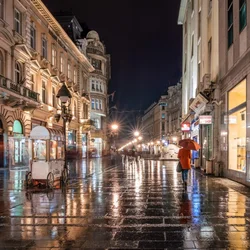
Knez Mihailova Puzzles Belgrade My Heart Collection slagalice 960476


SLIČNI PROIZVODI








???????? ? ?????????????????? ?????????? ????? ??????? ?? ???????? ?? ??????????????? – ?????? ???????? ??????????? ???? ?? ??????? ????????? ??????????????? ???????? ? ?????????? ???????????, ????? ??????? ??????????. ?? ?????? ?? ??????? ?????????? ? ???????? ??????? ?? 1869. ??????, ??? ?? ?? ???????????????? ??????? ???? ???????. ???? ?? ????????? ? ?????????????? ? ???? ?????????? ?? ????? ???????????? ?????????? ???????? ???? ?? ???????? ?????????, ???????????, ???????????, ?????????.???? ?????????? ???????? ???? ????? ???????? ????? ???? ?? ???? ?????????? ? ???????, ??? ?????? ???? ? ?????. ???? ??? ?? ????????? 1876. ?????? – ??????? ??????.????????? ?????? ??? ????? ????????? ?? ????? 1886. ??????. ???? ????????? ????? ?? ???? ???? ????? ? ???????? ???? ?? ?????? ???????????????? ?????????. ??? ?? 1988. ?????? ?? ????? ??????? ? ????????, ??? ?? ?????? ????????? ??????? ?????????????? ?? ???????? ??????????????????? ??????? ?? ???? ??????? ????????? ??????? ????.
The origin and development ofthe most famous street in Belgrade is largely connected with two personalities– Prince Mihailo Obrenovic, who was a notable supporter of Europeanization ofBelgrade, and Emilijan Josimovic, the first Serbian urban planner. The idea ofconnecting Kalemegdan with Terazije first came about in 1869, but it took along time to implement the plan. Residential houses and commercial buildings inKnez Mihailova Street were owned by the most influential Belgrade families whowere engaged in trade, industry, banking, and politics. Initially, KnezMihailova was covered with compacted earth that was turning to dust in thesummer time, and into mud on rainy days. It was paved for the first time in1876 - with wooden blocks, while granite blocks were used after 1886. KnezMihailova was the first street in Belgrade that received electric streetlighting. Up until 1988, it was a proper street with sidewalks, when a completereconstruction was carried out according to the design of the architectBranislav Jovin, turning the street into a pedestrian-only zone.